Daniel A. Briggs
Combat Medic, Delta Force Operator, Humanitarian
James G. Fausone
In a state known for rugged, beautiful, and scenic red-rock national parks, it is easy to find peace of mind. Whether in Utah’s “Mighty 5” National Parks or in the world-class ski resorts, the outdoors quiets the soul. Daniel A. Briggs, combat medic and special operator, found that peace and quiet in Utah.
Becoming a Green Beret Medic
The journey to becoming a Special Forces medic is notoriously difficult. Candidates must first complete Special Forces Assessment and Selection before entering the lengthy Special Forces Qualification Course. Those selected for the 18D specialty then undergo one of the military’s most extensive medical training pipelines.
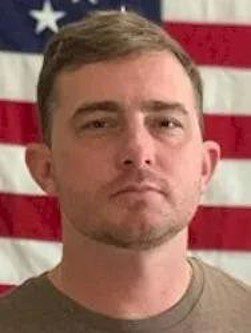
(Photo Courtesy of C. Douglas Sterner)
By all accounts, Briggs excelled in this environment. His later battlefield actions demonstrated the unique combination of medical expertise, tactical competence, and courage expected of Special Forces medics.
The Special Forces medic occupies a unique place within the military. While every Green Beret is expected to be a combatant, the medic also carries responsibility for preserving life under the most extreme conditions imaginable. These soldiers routinely treat gunshot wounds, blast injuries, burns, amputations, and life-threatening trauma while under enemy fire.
Those skills would eventually become central to one of the most celebrated actions of Briggs’ military career.
Selection for Delta Force
After his Special Forces service, Briggs was selected for assignment to Operational Detachment–Delta. Delta Force represents the Army’s premier special mission unit. Founded in 1977 by Colonel Charles Beckwith, the organization was modeled in part after Britain’s Special Air Service and was created to provide the United States with a dedicated counterterrorism and hostage rescue capability. The unit operates under the Joint Special Operations Command (JSOC) and remains one of the most secretive military organizations in the world.
Selection for Delta Force is notoriously difficult. Candidates undergo a physically and mentally demanding assessment process that tests endurance, navigation skills, decision-making, adaptability, and psychological resilience. Those who pass then attend the Operator Training Course, where they learn advanced marksmanship, surveillance techniques, close-quarters combat, counterterrorism tactics, and specialized tradecraft. Former Delta personnel have described the training process as one designed to identify individuals capable of performing at the highest level under extraordinary pressure.
For a Special Forces medic like Briggs, selection represented entry into the highest tier of American special operations.
Iraq and the Battle of Fallujah
Daniel Briggs’ most publicly documented combat action occurred during the First Battle of Fallujah in April 2004.
The city of Fallujah had become one of the most dangerous insurgent strongholds in Iraq. Coalition forces faced determined resistance from hundreds of fighters operating from dense urban terrain. House-to-house fighting, sniper attacks, ambushes, and coordinated assaults created some of the most intense urban combat experienced by American forces since Vietnam.
On April 26, 2004, Briggs was operating with a small Delta Force element attached to United States Marines during combat operations in the city. He and around 5 other operators were accompanying a patrol of Marines during a combat operation in Fallujah. During the operation, the Marines became embroiled in a firefight with a large group of well-armed Iraqi insurgents. During the battle, a Marine platoon found itself in grave danger as insurgent fighters launched coordinated attacks that threatened to isolate and overwhelm the American position. One of his teammates present that day, Master Sergeant Don Hollenbaugh, was also awarded the DSC for his courage and ability to lead under fire.
According to the official citation for the Distinguished Service Cross, Briggs repeatedly exposed himself to intense enemy fire in order to render medical treatment to wounded Marines and help organize defensive operations. Despite the danger, he moved through fire-swept streets to reach casualties and help maintain the platoon’s defensive posture.
The Army’s historical account of the battle notes that Briggs crossed streets under heavy small-arms fire to reach wounded personnel and provide life-saving aid. The Marine position faced attacks from an estimated 300 insurgents. The actions of Briggs and fellow Delta operator Master Sergeant Donald Hollenbaugh helped prevent the Marines from being overrun.
Daniel A. Briggs’ Distinguished Service Cross citation states:
The President of the United States of America, authorized by Act of Congress, July 9, 1918 (amended by act of July 25, 1963), takes pleasure in presenting the Distinguished Service Cross to Staff Sergeant Daniel A. Briggs, United States Army, for extraordinary heroism in connection with military operations against an armed enemy while serving with Operational Detachment – DELTA, 1st Special Forces Group (Airborne), United States Army Special Operations Command, in action on 26 April 2004, during combat operations against an armed Iraqi Insurgent force while supporting United States Marine Corps operations in Fallujah, Iraq. Staff Sergeant Briggs repeatedly subjected himself to intense and unrelenting enemy fire in order to provide critical medical attention to severely injured Marines and organized defensive operations. He set the highest example of personal bravery through his demonstrated valor and calmness under fire. Staff Sergeant Briggs’ valiant actions prevented enemy insurgent forces from over-running the United States Force’s position and were directly responsible for prevention of additional United States military casualties or Prisoners of War by the enemy. His actions under fire as a combat medic were performed with marked distinction and bravery. Staff Sergeant Briggs’ distinctive accomplishments are in keeping with the finest traditions of the military service and reflect great credit upon himself, this command, and the United States Army.
His actions saved lives and contributed directly to the successful defense of the Marine position. For his heroism, Briggs received the Distinguished Service Cross, the Army’s second-highest award for valor.
The Fallujah engagement highlights the unique role Briggs played within Delta Force.
While popular culture often portrays elite operators primarily as assault troops, every special mission unit relies on highly trained medical personnel capable of functioning under the most extreme circumstances. During urban combat, a medic’s effectiveness can determine whether wounded personnel survive long enough to reach definitive care. Briggs exemplified that role.
The image that emerges from official accounts is not simply of a medic treating casualties, but of a combat leader who simultaneously delivered medical care, coordinated defenses, and inspired confidence among Marines facing overwhelming odds.
The fact that he received the Distinguished Service Cross is significant. Since the beginning of the Global War on Terrorism, relatively few soldiers have received the award, which recognizes extraordinary heroism involving risk of life so exceptional that it stands above the level required for the Silver Star.
Like many Delta Force veterans, Briggs’ subsequent operational history remains largely classified.
Public records confirm his service with Operational Detachment–Delta but reveal little regarding specific missions beyond Fallujah. That secrecy is consistent with the unit’s mission set and culture. Delta Force personnel have participated in counterterrorism operations, hostage rescues, direct action missions, intelligence collection, and high-value target raids around the world. Much of that work remains undisclosed even decades later.
The period following Fallujah coincided with some of the most intense years of special operations activity in Iraq and Afghanistan. Delta Force played a central role in dismantling insurgent networks, targeting terrorist leadership, and conducting operations that helped shape the course of both conflicts.
While Briggs has not publicly detailed his deployments, it is reasonable to conclude that his experience included repeated exposure to high-risk missions and complex combat environments.
Transition to Civilian Life
In 2015, Daniel was medically retired from the U.S. Army due to the countless injuries he sustained while serving as a special operator. Many special operations veterans struggle with the transition from military service to civilian life. The sense of mission, camaraderie, and purpose found within elite units can be difficult to replace. Following his service in the Army, he moved to Los Angeles to work as a stuntman and military consultant.
Daniel Briggs eventually found another avenue for his unique skills: helping filmmakers accurately portray the realities of military operations. He advised television and film productions on tactics, weapons handling, mission planning, combat medicine, and military culture. The entertainment industry increasingly relied upon veterans with real-world experience to avoid the unrealistic portrayals that often characterized earlier military productions.
Briggs’ background made him particularly valuable in this role. Few individuals can offer firsthand experience as a Special Forces medic, a Delta Force operator, and a Distinguished Service Cross recipient. His expertise extends beyond combat tactics to casualty care under fire, small-unit leadership, intelligence-driven operations, and the interpersonal dynamics of elite military teams.
One of the most influential examples of this movement has been the television series SEAL Team, which became known for employing former special operations personnel both on-screen and behind the scenes. The series relied heavily on veterans to create realistic depictions of combat operations and military life. Former Delta Force operator Tyler Grey served as both actor and advisor, while other veterans contributed tactical expertise. The show’s producers openly emphasized authenticity as a core element of the production. Briggs played “Derek,” a Navy SEAL and supporting character on CBS’ “SEAL Team” between 2017-18.
Similarly, the Amazon series The Terminal List developed a reputation for working closely with military veterans and special operations professionals to ensure realistic depictions of contemporary combat operations. The production sought extensive input from experienced operators to accurately portray weapons employment, mission planning, communications procedures, and special operations culture.
For Briggs, this work represented an outlet to demonstrate his life of military training, action, and dilemmas in service. He helped educate audiences about the realities of military service while ensuring that the sacrifices and professionalism of special operations personnel were portrayed with accuracy and respect.
Modern battlefield medicine has evolved dramatically during the Global War on Terrorism. Techniques such as Tactical Combat Casualty Care (TCCC), tourniquet application, hemorrhage control, and prolonged field care have saved thousands of lives on battlefields in Iraq and Afghanistan.
As a former Special Forces medic and Delta operator who treated casualties under fire during the Battle of Fallujah, Briggs possesses a level of credibility that few entertainment consultants can match. His guidance helps productions portray medical emergencies realistically rather than relying on outdated Hollywood stereotypes. The same skills that once saved Marines in combat were now being used to educate audiences and honor the experiences of those who served.
Briggs also has screen credits as a stuntman on the 2024 film “Shirley.” The film is about Shirley Chisholm making a trailblazing run for the 1972 Democratic presidential nomination after becoming the first Black woman elected to Congress.
Broader Purpose
The entertainment world is not the real world. Briggs knew the harshness of the real world all too well. A broader purpose was in combating some of that real-world evil. He became affiliated with the Sentinel Foundation. It is a nonprofit organization focused on combating child exploitation, countering human trafficking, conducting crisis response operations, and training law enforcement personnel around the world. The organization draws heavily from the experience of former special operations personnel, intelligence professionals, and law enforcement officers.
The foundation employs methods adapted from military special operations, including surveillance, intelligence analysis, targeting processes, and operational planning. Its mission centers on identifying traffickers, rescuing victims, and strengthening the capabilities of local authorities.
Sentinel’s operational model reflects many of the same principles that define elite military units: Intelligence-driven operations; Careful planning; Teamwork; Precision execution; Protection of vulnerable populations. Former special operators are particularly well-suited for this work because they possess experience operating in unstable environments and solving complex problems under pressure.
The organization has conducted anti-trafficking missions, humanitarian evacuations, and law enforcement training programs across multiple countries. The identities of the operators and the trafficked are protected. However, Briggs makes his support of the organization well known on social media.
For many veterans, the fight against human trafficking provides a new mission that carries moral clarity similar to military service. Human trafficking networks prey on vulnerable children and families. Combatting these organizations requires intelligence gathering, surveillance, operational planning, and coordination with law enforcement agencies.
The Sentinel Foundation specifically highlights its use of special operations methodologies and emerging technologies to identify traffickers and disrupt criminal networks. For someone with Briggs’ background as a Delta Force operator and combat medic, the mission is a natural extension of a career spent protecting others. Instead of targeting enemy combatants, the focus becomes rescuing children and supporting law enforcement agencies working to dismantle criminal enterprises.
Even in a social media world, some privacy can be maintained. But being off the grid entirely is not a modern mortal existence. Daniel Briggs is on social media and pops up in the social media feeds of others. Instagram gives you a glimpse of Briggs’ loves such as his dog, aviation, scuba diving, flying, and even his medical traumas.
Another important chapter of Briggs’ post-military life has involved his association with Utah’s veteran community and network. One such veteran enterprise Briggs supports was founded in 2010 by retired Army Lieutenant Colonel Carl Churchill and his wife Lori Churchill. Alpha Coffee was created around a mission that extends beyond selling coffee. The company promotes veteran causes, supports military families, and donates a portion of its profits to charitable initiatives through programs such as Grounds for Good and Coffee for Troops.
Alpha Coffee’s culture emphasizes service, community engagement, and what the company calls the “warrior lifestyle.” The organization has become a gathering point for veterans, active-duty personnel, first responders, and supporters of the military community.
The connection between Alpha Coffee and veterans such as Briggs reflects a broader trend within the special operations community. Many former operators seek opportunities to remain connected to service-oriented organizations after leaving active duty. Veteran-owned businesses often become hubs where former military personnel can continue contributing to causes larger than themselves.
Conclusion
Daniel A. Briggs remains one of the quieter heroes of the Global War on Terrorism era. Unlike many decorated veterans, he has largely avoided public attention, allowing his actions to speak for themselves. He has not written a book, given Veterans day speeches, or done many interviews.
The available record paints a picture of an elite combat medic who rose through the ranks of Army Special Operations, earned selection into Delta Force, and demonstrated extraordinary courage during one of the fiercest battles of the Iraq War. His actions in Fallujah saved lives and earned him the Distinguished Service Cross, placing him among a select group of soldiers recognized for exceptional valor.
Yet perhaps equally important is what came afterward. Rather than viewing military retirement as the end of service, Briggs appears to have embraced a new mission. Through organizations such as the Sentinel Foundation and his involvement in the broader veteran community connected to Alpha Coffee, he has continued applying the skills and values developed during decades of military service.
His career demonstrates that the finest special operators are not defined solely by combat. They are defined by a lifelong commitment to protecting others—whether on a battlefield in Fallujah, in humanitarian operations overseas, or in the ongoing effort to defend children from exploitation and abuse around the world.
About James G. Fausone, Esq.
James G. Fausone, Esq. is a partner with Legal Help For Veterans, PLLC, with over twenty years of experience helping veterans apply for service-connected disability benefits and starting their claims, appealing VA decisions, and filing claims for an increased disability rating so veterans can receive a higher level of benefits.
If you were denied service connection or benefits for any service-connected disease, our firm can help. We can also put you and your family in touch with other critical resources to ensure you receive the treatment you deserve.
Give us a call at (800) 693-4800 or visit us online at www.LegalHelpForVeterans.com.
This electronic book is available for free download and printing from www.homeofheroes.com. You may print and distribute in quantity for all non-profit, and educational purposes.
Copyright © 2018 by Legal Help for Veterans, PLLC
ALL RIGHTS RESERVED